
SaaS Pricing News: The Complete 2025 Price Surge Breakdown
SaaS pricing news has never been more critical for founders and buyers to follow. In 2025, SaaS inflation outpaced general market rates by nearly 5x, AI reshaped how vendors charge, and credit-based models exploded across the industry. Here's what happened, who raised prices, and what you should do about it.
Summary
SaaS pricing surged 11.4% year-over-year in 2025—nearly five times the general inflation rate—driven by AI-powered feature bundling, a shift to credit-based and consumption pricing models, and aggressive vendor increases from companies like Adobe (50%), Slack (20%), and Salesforce (6%). Organizations now spend an average of $55.7 million annually on SaaS tools, with hidden tactics like credit multipliers and seat model "simplification" making true costs harder to track than ever.
If you build, buy, or manage SaaS products, the pricing landscape shifted dramatically in 2025. Across every category—CRM, productivity, security, AI tools—vendors pushed through some of the steepest price increases in SaaS history. At the same time, entirely new pricing models emerged to accommodate AI workloads that don't fit neatly into per-seat subscriptions.
This article compiles the most important SaaS pricing news from 2025 and early 2026, drawing on data from SaaStr, PricingSaaS, Yahoo Finance, Zylo's SaaS Management Index, and community discussions from Reddit and Hacker News. Whether you're a SaaS founder setting prices or a buyer negotiating renewals, this is the data you need.
The Great SaaS Price Surge of 2025
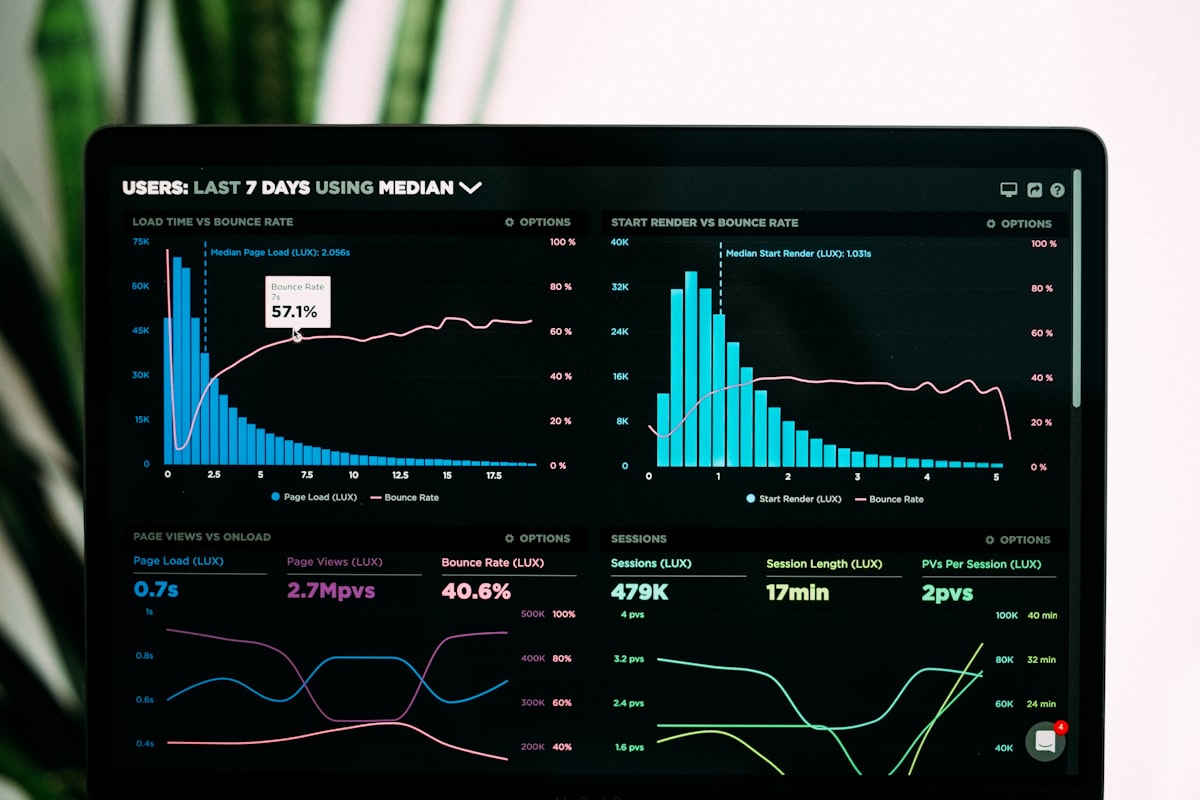
The numbers are stark. According to SaaStr, SaaS pricing increased approximately 11.4% year-over-year in 2025. That's nearly 5x the standard market inflation rate across G7 countries. While Gartner reports that corporate IT budgets grew at just 2.8% annually, SaaS vendors hiked prices by 9–25%.
Perhaps the most telling statistic: 72% of forward revenue growth in 2025 came from price increases—not from acquiring new customers or expanding existing accounts. In other words, vendors chose to charge existing users more rather than grow their customer base.
11.4%
YoY SaaS inflation
5x
Market inflation rate
72%
Growth from price hikes
The shift toward profitability over growth-at-all-costs is the primary driver. After years of subsidizing customer acquisition with venture capital, SaaS companies are now under pressure from investors to demonstrate sustainable unit economics. The easiest lever? Raising prices on a captive customer base with high switching costs.
Vendor-by-Vendor Price Increases
The price increases weren't uniform—some vendors raised by single digits while others doubled certain plan costs. Here's a breakdown of the most significant increases, compiled from SaaStr and CloudNuro.
For Salesforce specifically, the combined effect of their July 2023 increase (9%) and 2025 increase (6%) contributed approximately 25% of Salesforce's total revenue growth over the 2022–2025 period ( SaaStr). Top-tier CRM seats now run $500/month—double what they cost five years ago.
How AI Is Reshaping SaaS Pricing Models
AI isn't just a feature being added to SaaS products—it's fundamentally changing how those products are priced. The traditional per-seat subscription model doesn't work when an AI agent can do the work of multiple human users, and vendors are scrambling to find pricing structures that capture AI-driven value.
According to Zylo, "SaaS pricing is undergoing the most significant shift the market has seen. Seat-based models are giving way to hybrid and consumption-based approaches that make forecasting more difficult and widen the gap between planned and actual spend."
Ben Pippenger, VP of Strategic Partnerships at Zylo, put it bluntly: "AI is quickly becoming the most expensive 'invisible worker' in the organization." As AI-driven software absorbs more work, companies are adding opaque, usage-driven expenses that are harder to forecast and govern.
The data backs this up. Nearly one-third (31%) of AI vendors now use hybrid pricing models that combine subscription fees with usage-based or value-based charges ( Growth Unhinged). And according to Zylo, 78% of IT leaders reported unexpected charges on their SaaS bills due to consumption-based or AI pricing models.
AI add-ons are particularly expensive. Microsoft Copilot, for example, carries a 60–70% premium over base Microsoft 365 costs. Across the market, AI add-ons can increase base SaaS costs by 30–110% ( CloudNuro).
The Rise of Credit-Based Pricing
One of the defining SaaS pricing news stories of 2025 was the explosive growth of credit-based pricing models. According to PricingSaaS, which tracks 500 of the top SaaS and AI companies with transparent pricing, credit models surged 126% year-over-year. By the end of 2025, 79 companies in their index offered a credit model, up from just 35 at the end of 2024.
Household names joined the credit movement: Figma, HubSpot, and Salesforce all introduced credit-based pricing in 2025. The logic is straightforward—credits give customers the predictability of a license (buy a fixed pool upfront) while giving vendors a usage component to ensure margins stay intact as AI workloads scale.
How Credits Work in Practice
Customers purchase a pool of credits (monthly or annually). Different actions consume different amounts of credits—an AI-generated image might cost 5 credits while a simple API call costs 1. This lets vendors price AI features based on actual compute cost while maintaining predictable billing for buyers.
The catch: vendors can change credit multipliers at any time, effectively raising prices without changing the sticker price.
PricingSaaS's broader analysis found more than 1,800 pricing changes across 500 companies in 2025—an average of 3.6 pricing changes per company. Plan additions were the most popular packaging event, and AI features' share of the product roadmap increased 4x from Q1 2024.
One standout example: Lovable, which hit $200M ARR, made roughly one meaningful pricing update per month throughout 2025—launching a Team plan, killing it, adding rollover credits, and tweaking starting prices and credit limits for Pro and Business tiers. Constant iteration became the norm.
What Companies Are Actually Spending
Zylo's 2025 SaaS Management Index provides the most comprehensive view of what organizations actually pay. The numbers are sobering.
$55.7M
Average annual SaaS spend per organization
~8%
Spending increase in 2025 vs. prior year
305
Average apps per organization
$9,100
SaaS cost per employee (up from $7,900 in 2023)
Large enterprises with 10,000+ employees spent between $123.5 million and $375.5 million on average. Even with software portfolios holding steady at roughly 305 applications, spending rose across the board—driven primarily by vendor price increases rather than new tool adoption.
That $9,100-per-employee figure represents a 15% increase over just two years (up from $7,900 in 2023 and $8,700 in 2024), according to analysis from Invesp and SaaStr. Meanwhile, IT budgets grew at just 2.8%—creating a widening gap that forces painful trade-offs.
Hidden Pricing Tactics to Watch
Not all price increases show up on the invoice line as a rate change. SaaStr identified several stealth tactics vendors use to extract more revenue without an obvious "price increase" announcement.
AI Bundling
Vendors bundle AI features you may not want or need, then raise the overall plan price by 10–20%. Opting out often isn't possible—the AI features are baked into the tier you're already on. Salesforce's Agentforce editions ($125–$550/user) are a prime example.
Credit Multiplier Changes
With credit-based pricing, vendors can double the credit cost of specific actions overnight—effectively raising prices without changing the sticker price of your credit pool. Your monthly bill stays the same, but you can do half as much.
Seat Model "Simplification"
Vendors consolidate multiple seat types into a single "simplified" model that happens to cost 5–15% more than what most customers were paying before. Atlassian's license tier restructuring is a common example of this approach.
Monthly Billing Surcharges
Microsoft introduced a 5% surcharge for monthly billing in 2025. Adobe's Photo Plan monthly billing jumped 50%. The message: pay annually or pay a penalty. This locks customers into longer commitments and makes it harder to switch.

Pay What You Want: A Counter-Movement
Not every company is following the price-hike playbook. In one of the more interesting SaaS pricing news developments, Superthread launched a pay-what-you-want pricing model starting at just $3 per user per month. Their argument: SaaS pricing has become "extortionate," and smaller teams in emerging markets are being priced out of tools that large enterprises take for granted.
Early results are promising. Superthread reports an average payment of approximately $19 per user—well above the $3 minimum—with some customers voluntarily paying as much as $100. They've attracted diverse customers, from a construction company in Croatia to a French interior design startup. The model appears to self-select for engaged, value-aligned customers.
Whether pay-what-you-want can scale remains an open question. But it highlights growing frustration with the direction of SaaS pricing and signals demand for alternatives to the annual-increase-by-default model that dominates the industry.
What the Community Is Saying
Developer and buyer communities on Reddit and Hacker News have been vocal about SaaS pricing changes throughout 2025. Several recurring themes emerge from the discussions.
Auth0/Okta Pricing Frustration
Developers consistently criticize Auth0 (post-Okta acquisition) for unpredictable pricing changes. The MAU-based model leads to "cost shocks" where bills increase dramatically with modest user growth—a pattern The Register covered as part of broader SaaS license negotiation challenges. Reddit threads in r/SaaS and r/webdev regularly feature users sharing alternatives.
Budget Misalignment
IT teams report that vendor price increases routinely exceed approved budget growth. The gap between 2.8% IT budget growth and 9–25% vendor increases creates forced consolidation and tool cuts. Discussions on r/sysadmin and r/ITManagers frequently surface these pain points.
The "Enshittification" Narrative
A growing Hacker News and Reddit thread pattern frames SaaS pricing increases as part of a broader platform degradation cycle—raise prices, reduce support, bundle unwanted features, increase lock-in. Reddit's own API pricing controversy is often cited as a cautionary tale for SaaS leaders.
What This Means for SaaS Buyers in 2026
If you're managing SaaS spend—whether as a founder choosing your own stack or as an IT leader managing enterprise licenses—here's what the data suggests you should do.
Audit Your SaaS Stack Quarterly
Organizations typically pay for 30–40% unused licenses. A thorough audit—checking actual usage data, not just license counts—can surface immediate savings. Companies leveraging SaaS management platforms typically recover 25–35% of total spending ( CloudNuro).
Negotiate with Usage Data
Come to renewal conversations armed with actual usage metrics. If you're using 60% of purchased seats, negotiate from that baseline—not from the vendor's proposed increase. The Register recommends using "usage intelligence" as your primary negotiation lever.
Watch Credit-Based Pricing Closely
If a vendor switches to credit-based pricing, track your credit consumption patterns from day one. Credit multiplier changes can silently increase your effective cost by 50–100% without any visible "price increase." Build monitoring into your procurement process.
Evaluate AI Add-On ROI Separately
Don't accept bundled AI features at face value. If Microsoft Copilot adds a 60–70% premium, calculate whether the productivity gains justify the cost for your specific workflows. Many organizations find AI add-ons deliver value for only a fraction of their user base.
Key Takeaways
- SaaS inflation hit 11.4% YoY in 2025—nearly 5x the general market inflation rate.
- Credit-based pricing models surged 126% YoY, with 79 of the top 500 SaaS companies now offering credits.
- AI add-ons are adding 30–110% to base SaaS costs, making budgets harder to forecast.
- The average organization now spends $55.7 million annually on SaaS applications.
- Hidden tactics like AI bundling, credit multipliers, and seat model changes are driving stealth price increases.
- Alternative models like pay-what-you-want are emerging as a counter-movement to rising costs.
Frequently Asked Questions
Why are SaaS prices increasing so much in 2025?
SaaS vendors are shifting from growth-at-all-costs to profitability, passing along rising infrastructure costs, AI development expenses, and value-based pricing adjustments. According to SaaStr, SaaS inflation hit 11.4% YoY—nearly 5x higher than general market inflation.
What is credit-based SaaS pricing?
Credit-based pricing lets customers purchase a pool of credits that are consumed based on usage. It gives buyers the predictability of a license while allowing vendors to maintain margins through a usage component. Companies like Figma, HubSpot, and Salesforce adopted this model in 2025.
How much does the average company spend on SaaS?
According to Zylo's 2025 SaaS Management Index, the average organization spends $55.7 million annually on SaaS applications, with large enterprises spending between $123.5 million and $375.5 million.
How can I reduce my SaaS spending?
Start with a comprehensive SaaS audit to identify unused licenses (typically 30–40% of spend). Negotiate renewals using usage data, consolidate redundant tools, and consider SaaS management platforms that typically recover 25–35% of total spending.
Related Reading
Related from other topics
Need Help With Your SaaS Pricing Strategy?
Heck Design Group builds SaaS products and pricing pages that convert. We help founders navigate the shifting pricing landscape with data-driven strategy and conversion-focused design.